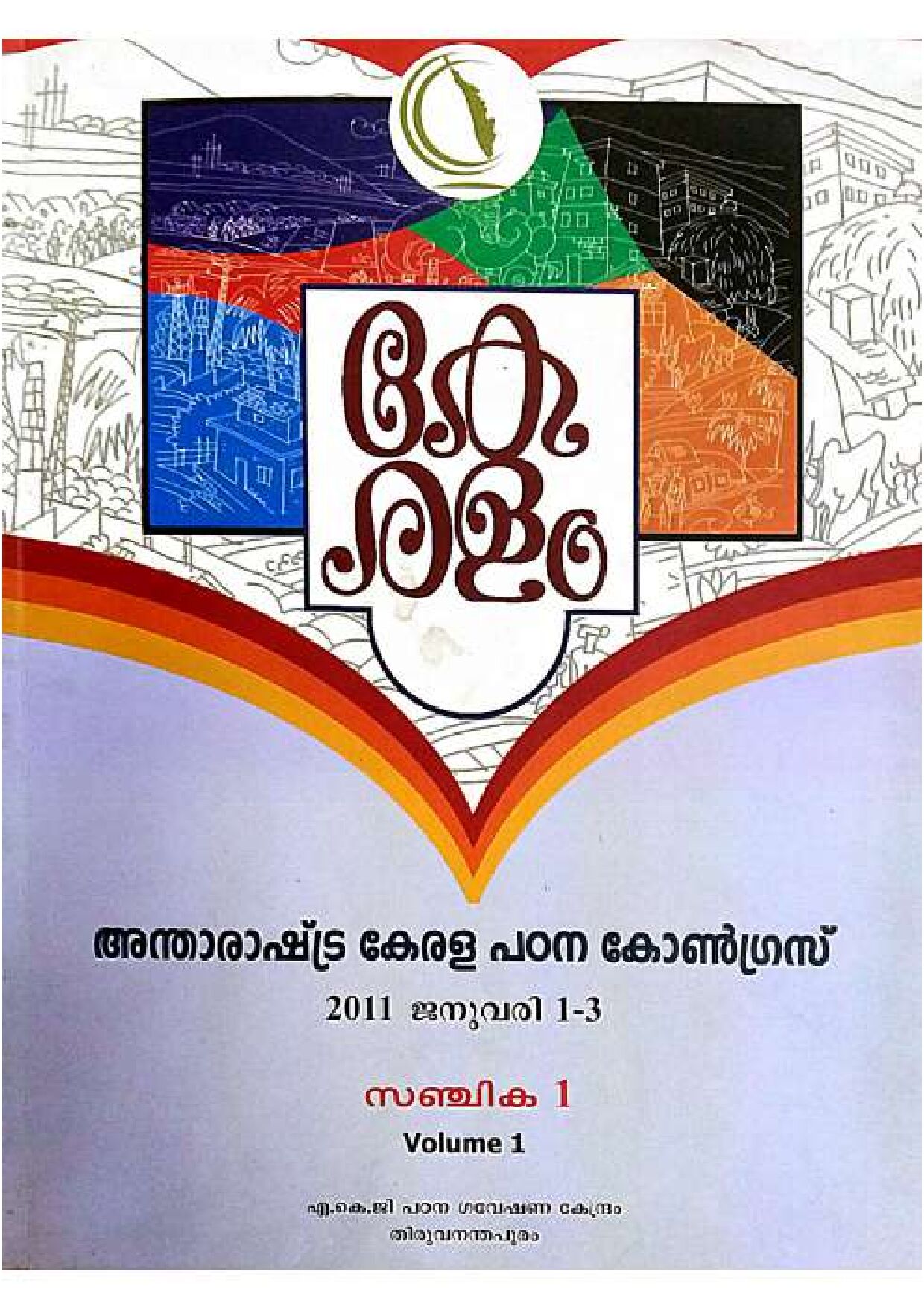
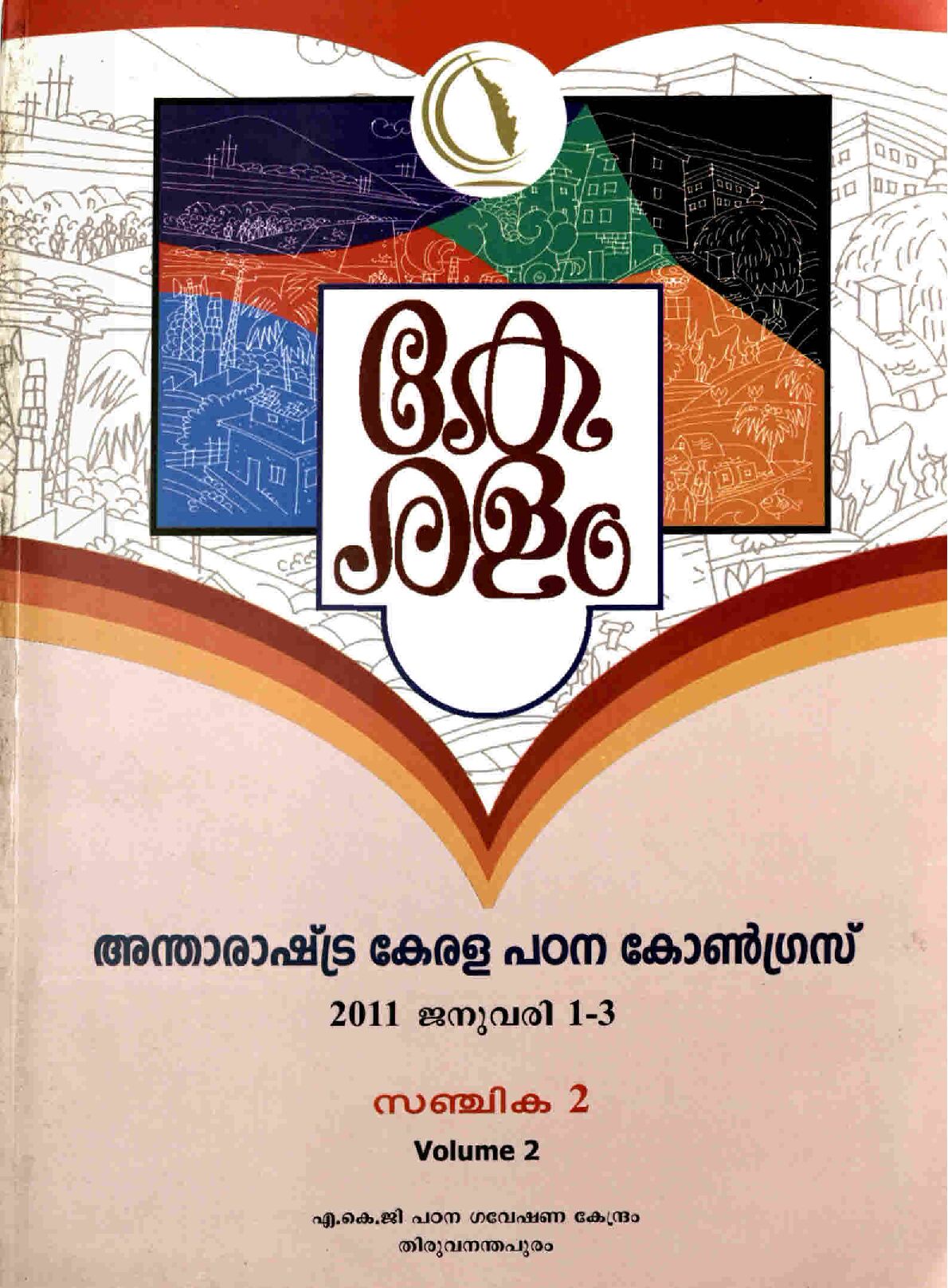
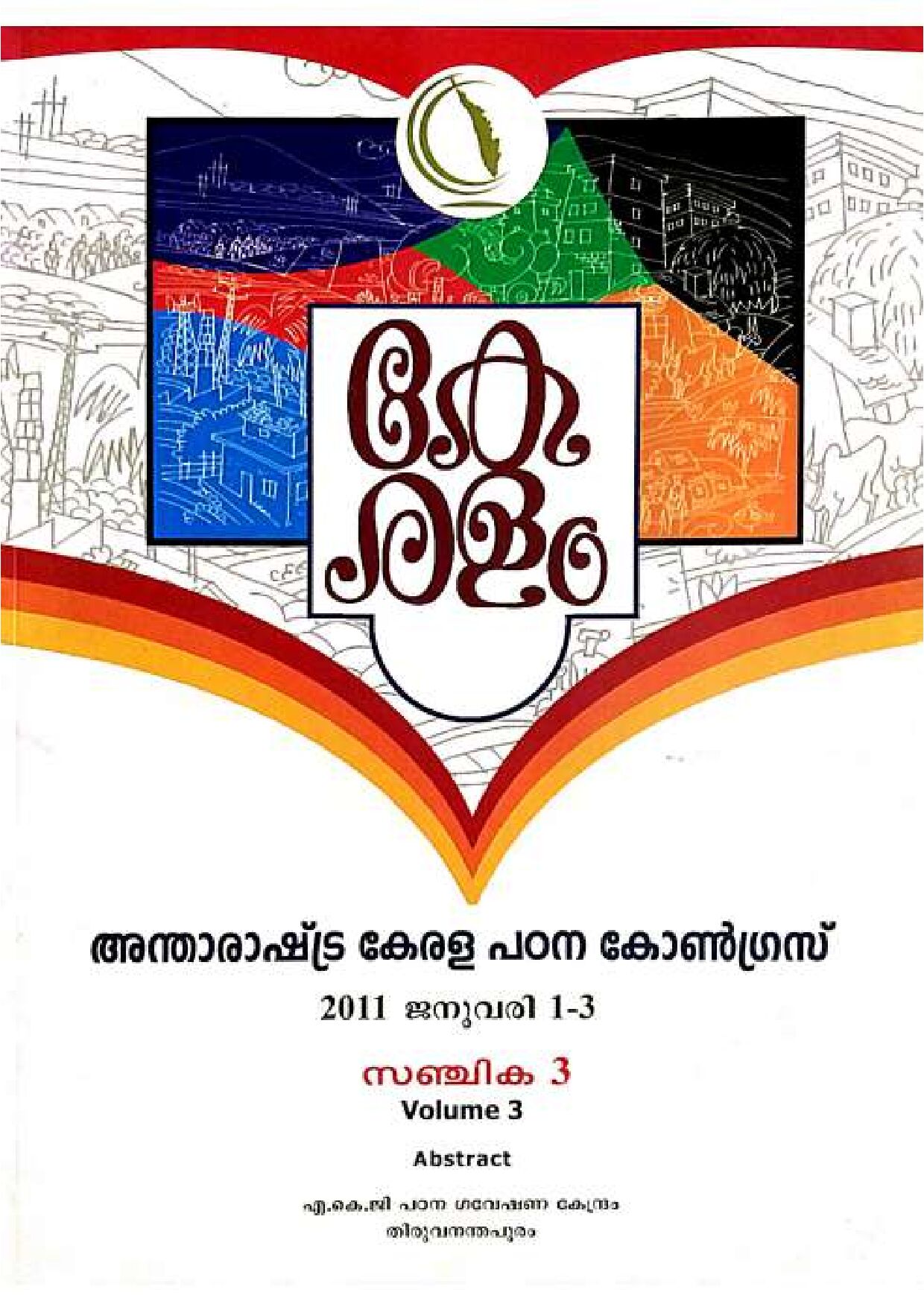
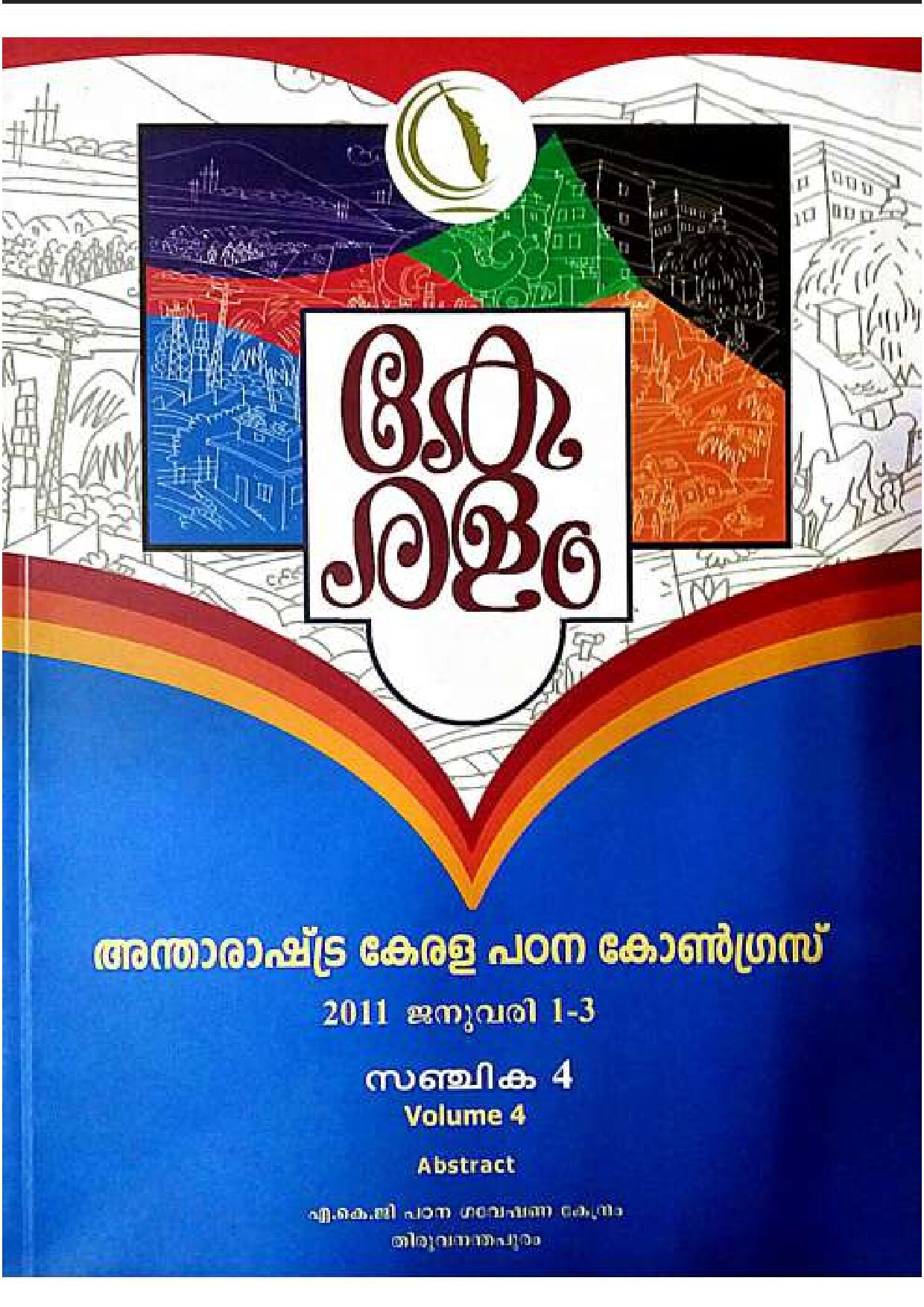
Navigating Challenges, Charting Future Strategies
Organized by the AKG Centre for Research and Studies, the Third International Congress on Kerala Studies in 2011 served as a critical forum for academics, activists, and policymakers. The Congress was convened with the primary objective of formulating a comprehensive development agenda for the coming decade, addressing the state's evolving social, economic, and environmental landscape.
Core Focus & Themes
The deliberations aimed to synthesize diverse opinions to create a roadmap for Kerala's progress, focusing on five major thematic pillars:
- Natural Resources
- The Kerala Economy
- History
- Politics
- Culture
Key Deliberations
The Congress was notable for its critical introspection and forward-looking proposals across various sectors:
1. Re-evaluating the "Kerala Model"
Participants engaged in a rigorous examination of the celebrated "Kerala Model" of development.
- Viability Concerns: Discussions raised concerns about the model's long-term viability amidst changing global economic policies.
- Welfare Protection: There was a strong focus on the adverse impact of World Bank structural adjustment policies on social welfare initiatives, specifically the threat to the public food distribution system.
2. Economic & Infrastructure Strategy
The event called for a broad political consensus to drive development, moving beyond partisan stalemates.
- Investment Proposals: The Congress suggested a massive public investment of ₹50,000 Crores for infrastructure development.
- New Financial Structures: A key proposal was the creation of a State-Owned Bank by coordinating the state's extensive network of cooperative banks.
- Strategic Projects: It explored the potential of private investment for major projects, including national highways and a north-south express rail corridor.
3. Sectoral Spotlights
- Agriculture & Technology: The sessions emphasized the role of biotechnology and value addition in revitalizing agriculture, alongside the effective management of natural resources.
- Palliative Care: The integration of palliative care into the mainstream healthcare system was a significant topic of discussion.
- Water Management: Numerous papers addressed critical issues like water resource management.
4. Critical Voices: Gender Representation
The Congress provided a platform for critical feedback. Women participants convened a separate meeting to voice concerns regarding the limited integration of gender topics across the main sessions. They advocated for:
- Broader representation of women's issues.
- A focus on mass struggles that extend beyond formal party politics.
Outcomes & Legacy
The Third Congress played a pivotal role in shaping the political and developmental discourse of the state.
- Consensus Building: A major legacy was the call for introspection by all stakeholders—government, opposition, media, and bureaucracy—to achieve a development consensus.
- Policy Impact: The deliberations and outcomes directly contributed to formulating the election manifesto for the Left and Democratic Front (LDF) in the subsequent elections.
- Academic Contribution: The event produced numerous research papers ranging from economic strategies to the social history of food in Kerala.